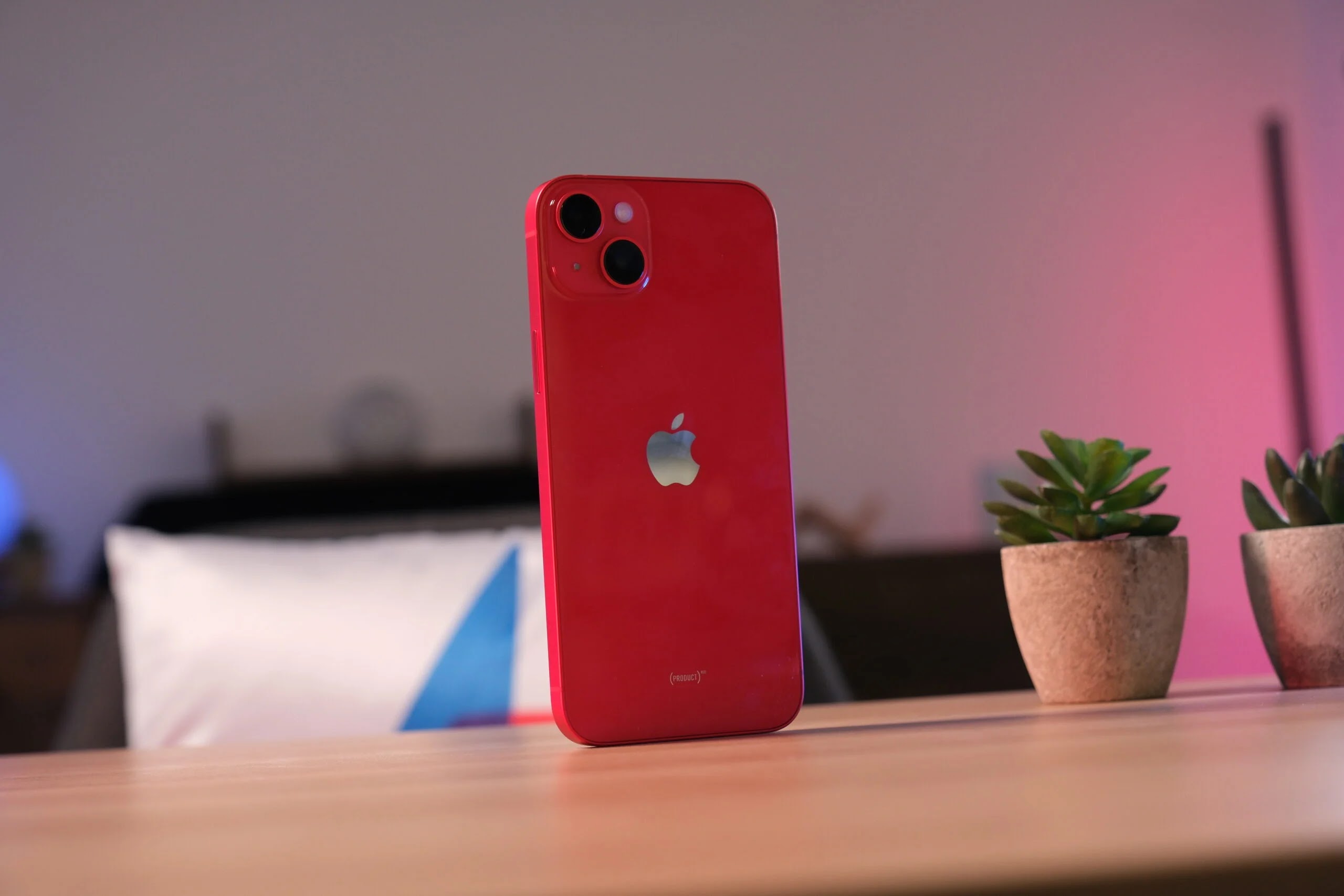
What to Expect from the iPhone 15 Series: A Sneak Peek
The iPhone 15 series is one of the most highly anticipated smartphone releases of the year. Apple has been known for its innovative designs and features, and the new iPhone 15 series is no exception. Here are some things you can expect from the new iPhone 15 series:
Design: The iPhone 15 series is rumored to feature a sleeker and more streamlined design, with smaller bezels and a smaller notch. It may also come in new color options.
Camera: The camera on the iPhone 15 series is expected to be a major upgrade, with improved sensors and lenses. It may also feature new camera modes and software enhancements for better low-light photography.
Display: The iPhone 15 series is rumored to have an improved display, with a higher refresh rate and improved color accuracy. It may also feature an always-on display option.
Performance: The iPhone 15 series is expected to feature the latest A16 chip, which is rumored to be faster and more efficient than previous models. It may also come with more storage options and improved battery life.
Connectivity: The iPhone 15 series is rumored to feature 5G connectivity, which will allow for faster download and upload speeds.
Overall, the iPhone 15 series promises to be a major upgrade from previous models, with new and improved features that will enhance the user experience. From the design to the camera to the performance, the iPhone 15 series is sure to impress. Stay tuned for more updates as the release date approaches!

The iPhone 15: A Revolutionary New Phone
The iPhone 15 is the latest iteration in Apple's iconic iPhone line, and it promises to be a game-changer in the world of mobile technology. With its sleek design, advanced features, and innovative capabilities, the iPhone 15 is the perfect choice for those looking for a high-end smartphone that can handle all of their needs.
Design
The iPhone 15 has a completely new design compared to its predecessors. It features a thinner and lighter body, with a 6.5-inch OLED display that covers the entire front of the phone. The display also has a resolution of 2532 x 1170 pixels, making it one of the sharpest and most detailed screens on the market.
The iPhone 15 is available in several colors, including classic silver, gold, and space gray, as well as more daring options like bright red and electric blue. The phone is also made with a new type of glass that is stronger and more durable than previous models, making it less prone to cracks and scratches.
Features
One of the most exciting new features of the iPhone 15 is its upgraded camera system. The phone features a triple-lens camera on the back, with a 16-megapixel ultra-wide lens, a 12-megapixel wide lens, and a 12-megapixel telephoto lens. It also has a new night mode that allows for clear, bright photos even in low light conditions.
The iPhone 15 also boasts a new A17 Bionic chip, which is the fastest and most powerful chip ever used in an iPhone. This allows for lightning-fast performance, seamless multitasking, and improved battery life. In fact, the iPhone 15 is expected to have the longest battery life of any iPhone yet, with up to 12 hours of use on a single charge.
Another new feature of the iPhone 15 is its 5G capability, which allows for faster download and upload speeds than ever before. This means that users can stream high-quality videos and download large files with ease, even when on the go.
Innovation
The iPhone 15 is not just an improvement on previous models; it also introduces several new innovations that are set to change the way we use smartphones. One of these innovations is the new "AirTouch" feature, which allows users to control their phone without touching the screen. Instead, they can simply wave their hand in front of the phone to access apps, answer calls, and more.
Another new feature is the "Smart Connector," which allows users to connect their iPhone 15 to other devices like keyboards, mice, and external monitors. This opens up new possibilities for productivity and creativity, as users can now use their iPhone 15 as a mini-computer for work or entertainment.
Conclusion
The iPhone 15 is the culmination of years of innovation and design from Apple, and it represents a significant step forward in the world of mobile technology. With its sleek design, advanced features, and innovative capabilities, it is sure to be a hit with consumers looking for the latest and greatest in smartphone technology. Whether you're a professional looking for a powerful tool for work or a casual user looking for a high-quality device for everyday use, the iPhone 15 has something to offer.

Maximizing Your Experience with Mac OS: A Deep Dive into Apple's Operating System
Mac OS, also known as macOS, is the operating system developed and designed by Apple Inc. for its Mac computers. The latest version of macOS is Monterey and was released in October 2021.
Mac OS has been around since 1984, and over the years, it has undergone significant changes and improvements to meet the ever-evolving needs of its users. Mac OS is built on a Unix-based architecture, which makes it stable, secure, and user-friendly.
One of the most significant advantages of Mac OS is its ease of use. The user interface is intuitive, and the operating system is designed to be simple to navigate. The desktop layout is clean and organized, and the Dock, a feature that displays frequently used applications, makes it easy to access and switch between apps.
Another advantage of Mac OS is its security features. Mac OS is known for its low susceptibility to malware and viruses, and it includes built-in security features like Gatekeeper, which blocks malicious software from being installed on a Mac computer. Additionally, Mac OS is equipped with firewalls that help protect against unauthorized access, and it includes privacy features like encryption to protect sensitive data.
Mac OS also integrates seamlessly with Apple's ecosystem, which includes the iPhone, iPad, and Apple Watch. This integration allows users to share data and use the same applications across multiple devices. The operating system also includes the ability to make and receive phone calls and send and receive messages on the Mac, thanks to its integration with the iPhone.
One of the most notable features of Mac OS is its integration with Apple's digital assistant, Siri. Siri can perform a wide range of tasks, such as finding information, setting reminders, and even sending messages. Siri can be activated using voice commands or through the touch bar on the latest MacBook Pro.
Another feature that sets Mac OS apart from other operating systems is its ability to run Windows applications. Mac users can run Windows applications using virtualization software like Parallels or VMware Fusion, or they can use Apple's Bootcamp to run Windows on their Mac.
Mac OS also includes a suite of productivity applications, such as Pages, Numbers, and Keynote, that allow users to create, edit, and manage documents, spreadsheets, and presentations. The operating system also includes other applications, such as iMovie and GarageBand, that allow users to edit videos and create music, respectively.
Mac OS is designed to be a highly responsive operating system. Mac computers are known for their fast performance and smooth operation, and Mac OS is optimized to take full advantage of the hardware it runs on. Mac OS includes features like Time Machine, which allows users to back up their data, and AirDrop, which makes it easy to transfer files between Macs and other Apple devices.
Mac OS is also designed to be energy-efficient. Mac computers are known for their long battery life, and Mac OS is optimized to conserve power and extend the battery life of Mac computers. Mac OS includes features like Power Nap, which allows Mac computers to perform background tasks while they are in sleep mode.
In conclusion, Mac OS is a robust and user-friendly operating system that offers a wide range of features and capabilities. From its ease of use and security features to its seamless integration with Apple's ecosystem and its suite of productivity applications, Mac OS is an excellent choice for both personal and professional use.

Microsoft and Windows OS: The Dominance of the PC Operating System - History, Features, and Why it has Remained Popular
Microsoft and Windows OS: The Dominance of the PC Operating System
Microsoft's Windows operating system is the most widely used PC operating system in the world. Windows has been the dominant player in the PC market for over two decades and has been constantly evolving to meet the changing needs of users. In this article, we'll take a closer look at Microsoft and Windows OS, and explore the history of this dominant operating system, its features, and why it has remained so popular.
History of Windows OS
Windows was first introduced in 1985 as a graphical user interface for MS-DOS, which was the dominant operating system at the time. The first version of Windows was called Windows 1.0, and it was a basic graphical interface that allowed users to access and run applications in a more user-friendly way. Over the years, Windows has evolved significantly, and the latest version, Windows 10, was released in 2015.
Features of Windows OS
One of the reasons why Windows has remained so popular is its user-friendly interface and wide range of features. Windows 10, for example, has a clean and modern design, and it includes a range of features such as virtual desktops, a virtual assistant (Cortana), and a new browser (Microsoft Edge). Additionally, Windows 10 has a range of security features, such as Windows Hello, which allows users to log into their device using biometric authentication, and Windows Defender, which protects against malware and other security threats.
Another reason why Windows has remained popular is its compatibility with a wide range of hardware and software. Windows is compatible with both traditional desktop and laptop computers, as well as newer devices such as tablets and 2-in-1 devices. Additionally, Windows has a large selection of software available, including productivity apps, creative apps, and games.
Why Windows has remained popular
Windows has remained the dominant player in the PC market for several reasons. First, it has a large user base, and many people are already familiar with using Windows. This makes it easier for users to switch to a new Windows device, as they already know how to use the operating system. Additionally, Windows is available on a wide range of devices, from traditional desktop and laptop computers, to newer devices such as tablets and 2-in-1 devices.
Another reason why Windows has remained popular is its compatibility with a wide range of hardware and software. Windows is compatible with a large selection of hardware, including traditional desktop and laptop computers, as well as newer devices such as tablets and 2-in-1 devices. Additionally, Windows has a large selection of software available, including productivity apps, creative apps, and games.
Conclusion
In conclusion, Microsoft and Windows OS have been the dominant player in the PC market for over two decades. Windows has remained popular due to its user-friendly interface, wide range of features, and compatibility with a wide range of hardware and software. Whether you're a traditional desktop and laptop computer user, or a newer device user, Windows is a solid choice for your operating system needs.

Android vs iOS: Comparing the Two Major Mobile Operating Systems - User Experience, Customization, App Selection, and Security
Android vs iOS: The Battle of Mobile Operating Systems
The world of mobile operating systems is dominated by two major players: Android and iOS. Both operating systems have their pros and cons, and the choice between them often comes down to personal preference. In this article, we'll take a closer look at both Android and iOS, and compare them in areas such as user experience, customization, app selection, and security.
User Experience
One of the biggest differences between Android and iOS is the user experience. iOS is known for its simplicity and clean design, which makes it easy to use for both beginners and experienced users. On the other hand, Android is known for its flexibility and customization options, which allow users to personalize their devices to a greater extent.
Customization
When it comes to customization, Android is the clear winner. With Android, you can change the look and feel of your device with custom launchers, icons, and widgets. Additionally, Android allows users to access and modify the file system, which gives them more control over their device. iOS, on the other hand, has limited customization options and is more restricted when it comes to access to the file system.
App Selection
Both Android and iOS have a large selection of apps available in their respective app stores. However, the Google Play Store, which is the app store for Android, has a larger selection of apps overall, including a wider range of free apps. Additionally, Android users have the option to side-load apps from other sources, giving them even more options for app selection.
Security
When it comes to security, both Android and iOS have their strengths and weaknesses. iOS is known for its strict security measures, which make it less vulnerable to malware and other security threats. Additionally, iOS releases regular security updates to protect users against potential threats. However, the closed nature of iOS can also make it more difficult for users to access and control their own data.
On the other hand, Android has a more open architecture, which allows for greater customization, but also makes it more vulnerable to security threats. However, Google has been working hard to improve the security of Android, and has implemented measures such as Google Play Protect, which scans apps for malware before they are installed, and regular security updates.
Conclusion
When it comes to choosing between Android and iOS, the decision often comes down to personal preference. If you value customization and flexibility, Android might be the way to go. If you prefer simplicity and security, iOS might be the better option for you. Both operating systems have their pros and cons, and the best way to choose is to try both and see which one works best for you.